
5 Common Misconceptions About AI in Healthcare Staffing


Understanding AI in Healthcare Staffing
Artificial Intelligence (AI) is transforming industries worldwide, and healthcare staffing is no exception. However, several misconceptions surround the integration of AI in this field. Let's explore and debunk some of these common myths.
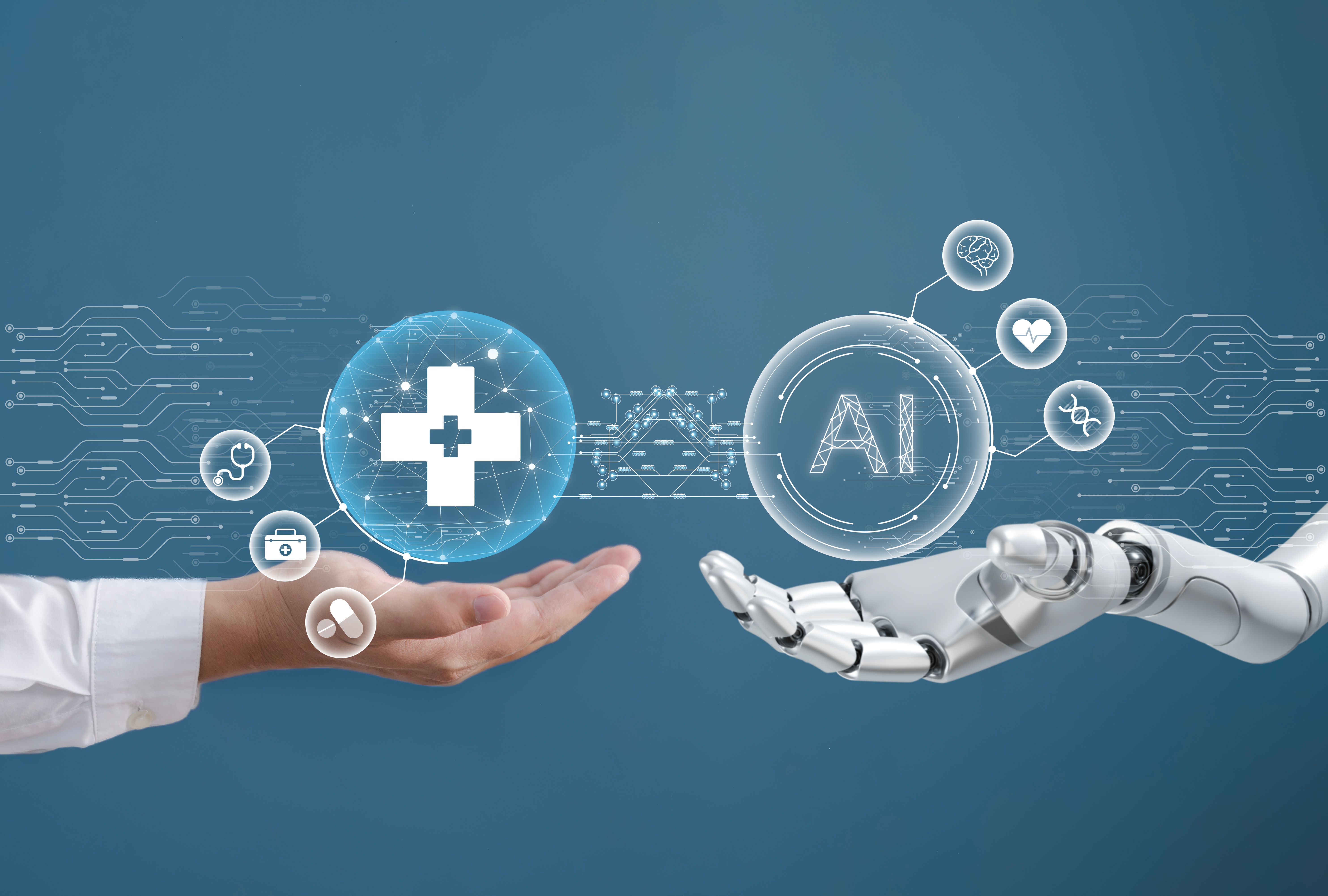
Misconception 1: AI Replaces Human Jobs
A prevalent fear is that AI will lead to massive job losses in healthcare staffing. In reality, AI is designed to **augment human capabilities**, not replace them. By automating repetitive tasks, AI allows healthcare professionals to focus on more complex and patient-centric activities.
AI tools can streamline administrative processes, manage schedules, and ensure optimal staffing levels, reducing burnout and enhancing job satisfaction for healthcare workers.
Misconception 2: AI Lacks Human Touch
Another misconception is that AI removes the human element from healthcare. While AI can analyze large datasets and predict staffing needs, it cannot replace the empathy and intuition of human professionals. Instead, it serves as a powerful tool to support decision-making and improve patient care.

Misconception 3: AI Is Too Complex for Everyday Use
Some believe that AI is too complicated for daily operations in healthcare staffing. However, modern AI solutions are designed with user-friendliness in mind. These systems often feature intuitive interfaces and require minimal training, making them accessible to all levels of staff.
By simplifying complex processes, AI helps healthcare organizations make data-driven decisions seamlessly.
Misconception 4: AI Is Only for Large Hospitals
AI is often perceived as a tool only viable for large healthcare institutions with vast resources. This is a misconception, as **AI solutions are scalable** and can be tailored to meet the needs of small and medium-sized facilities.
Many AI platforms offer flexible pricing models, making them accessible for healthcare providers of all sizes, ensuring that even smaller facilities can benefit from enhanced staffing efficiency.
Misconception 5: AI Compromises Data Privacy
Data privacy is a significant concern in healthcare, and some worry that AI could compromise patient information. However, reputable AI systems prioritize data security and comply with stringent regulations like HIPAA.
These systems implement advanced encryption and access controls, ensuring that sensitive information remains protected while leveraging AI to improve staffing and care delivery.
As AI continues to evolve, it promises to bring numerous benefits to healthcare staffing. By understanding and addressing these misconceptions, the industry can fully harness AI's potential to enhance efficiency, reduce stress, and improve patient outcomes.