
Case Study: How Automation Transformed a Texas Hospital's Staffing


Introduction to Automation in Healthcare
In recent years, automation has become a game-changer across various industries, and healthcare is no exception. One Texas hospital has embraced automation to transform its staffing operations, leading to remarkable improvements in efficiency and patient care.
This case study delves into how automation redefined staffing at the hospital, highlighting key strategies and outcomes. By integrating innovative solutions, the hospital addressed staffing challenges and streamlined processes.
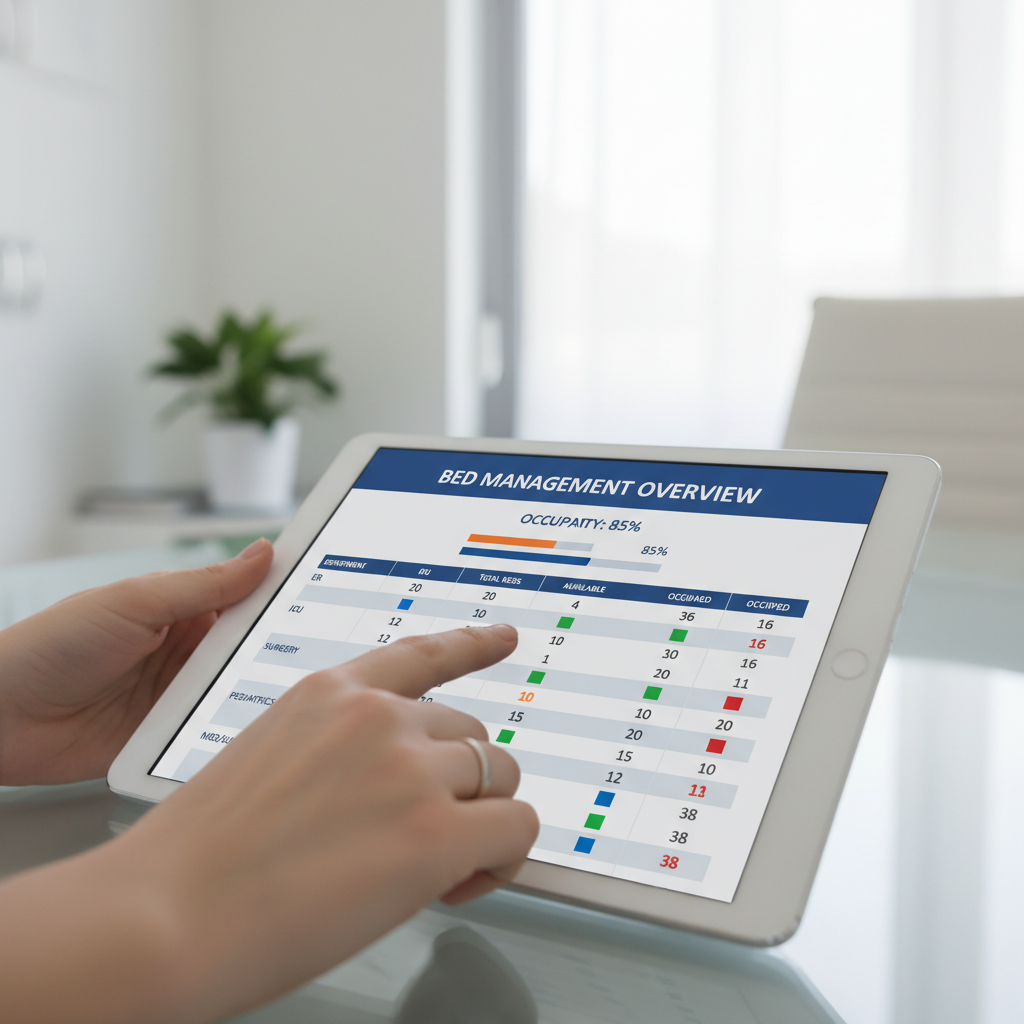
The Challenges of Traditional Staffing
Staffing in healthcare is notoriously complex, often plagued by issues such as inconsistent scheduling, high turnover rates, and administrative bottlenecks. The Texas hospital faced these challenges, which led to increased costs and compromised patient care.
Prior to automation, the hospital's staffing relied heavily on manual processes. Administrators spent countless hours on tedious tasks, which left little time for strategic decision-making. This inefficiency underscored the need for a transformative approach.
Identifying the Right Automation Tools
The hospital embarked on a journey to explore automation tools that could alleviate staffing issues. Key considerations included:
- User-friendly interfaces
- Integration capabilities with existing systems
- Real-time data analytics for informed decision-making

Implementation of Automation Solutions
After thorough research, the hospital implemented a comprehensive staffing automation platform. This tool automated various processes, including scheduling, shift changes, and payroll management. The integration was seamless, requiring minimal disruption to daily operations.
Moreover, the hospital provided extensive training to ensure staff members were comfortable with the new system. This proactive approach facilitated a smoother transition and increased user adoption.
Positive Outcomes and Benefits
The results of automation were immediate and significant. The hospital observed a 30% reduction in administrative workload, allowing staff to focus more on patient care. Additionally, employee satisfaction increased due to more predictable schedules and reduced manual errors.
Financially, the hospital experienced cost savings through optimized resource allocation. Automation minimized the need for overtime and temporary staffing, contributing to a more sustainable operation.

Looking Ahead: Future Prospects
The success of automation in staffing has encouraged the hospital to explore further technological advancements. Plans are in place to expand automation to other departments, such as inventory management and patient record-keeping, to enhance overall operational efficiency.
This case study serves as a testament to the transformative power of automation in healthcare. By addressing staffing challenges, the Texas hospital not only improved its internal processes but also set a precedent for others in the industry.
Conclusion
Automation has proven to be a vital tool in revolutionizing healthcare staffing. As more hospitals recognize its benefits, the industry can look forward to a future where technology and healthcare work hand in hand to deliver exceptional patient care.
The journey of this Texas hospital illustrates that with the right tools and strategies, automation can lead to substantial improvements, fostering a more efficient and patient-centered healthcare environment.