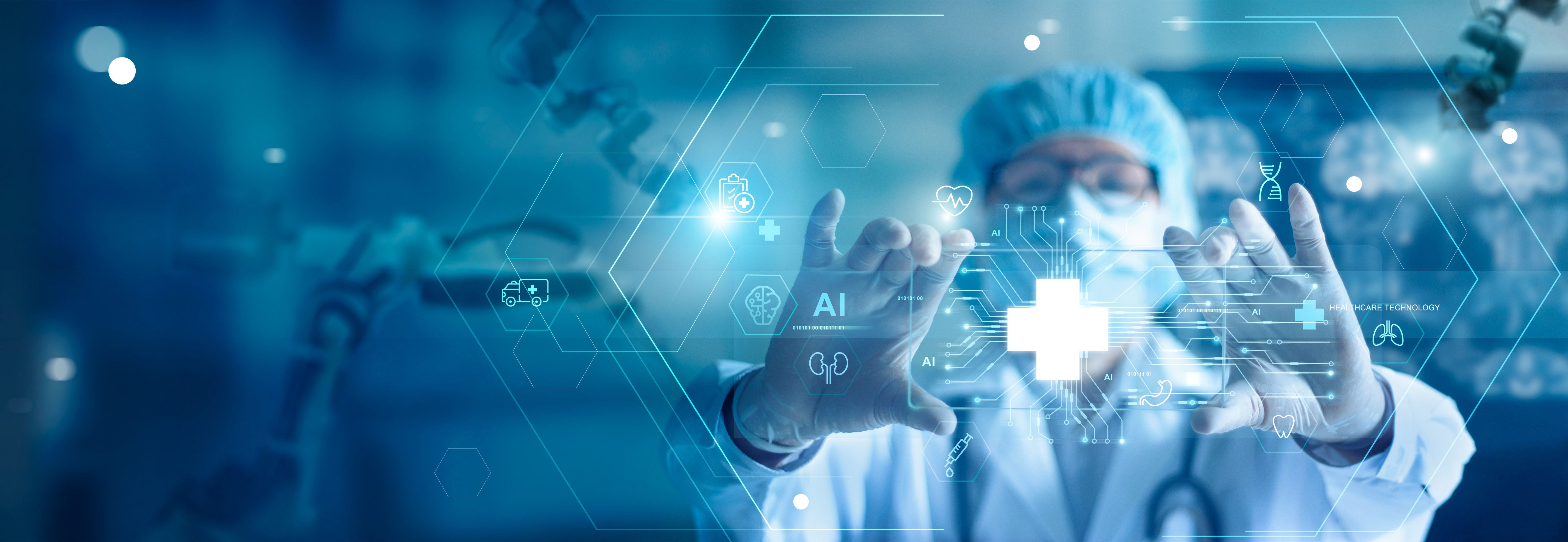
How AI-Driven Healthcare Solutions Transform Medical Staffing


The Rise of AI in Healthcare Staffing
Artificial intelligence is revolutionizing various aspects of healthcare, including how medical facilities manage their staffing needs. With the increasing demand for healthcare services, AI-driven solutions are becoming essential in optimizing workforce management, ensuring adequate staffing levels, and improving patient care.
AI technologies streamline the recruitment process by analyzing vast amounts of data to identify qualified candidates quickly. This allows healthcare organizations to fill positions more efficiently, reducing the time and cost associated with traditional hiring processes.
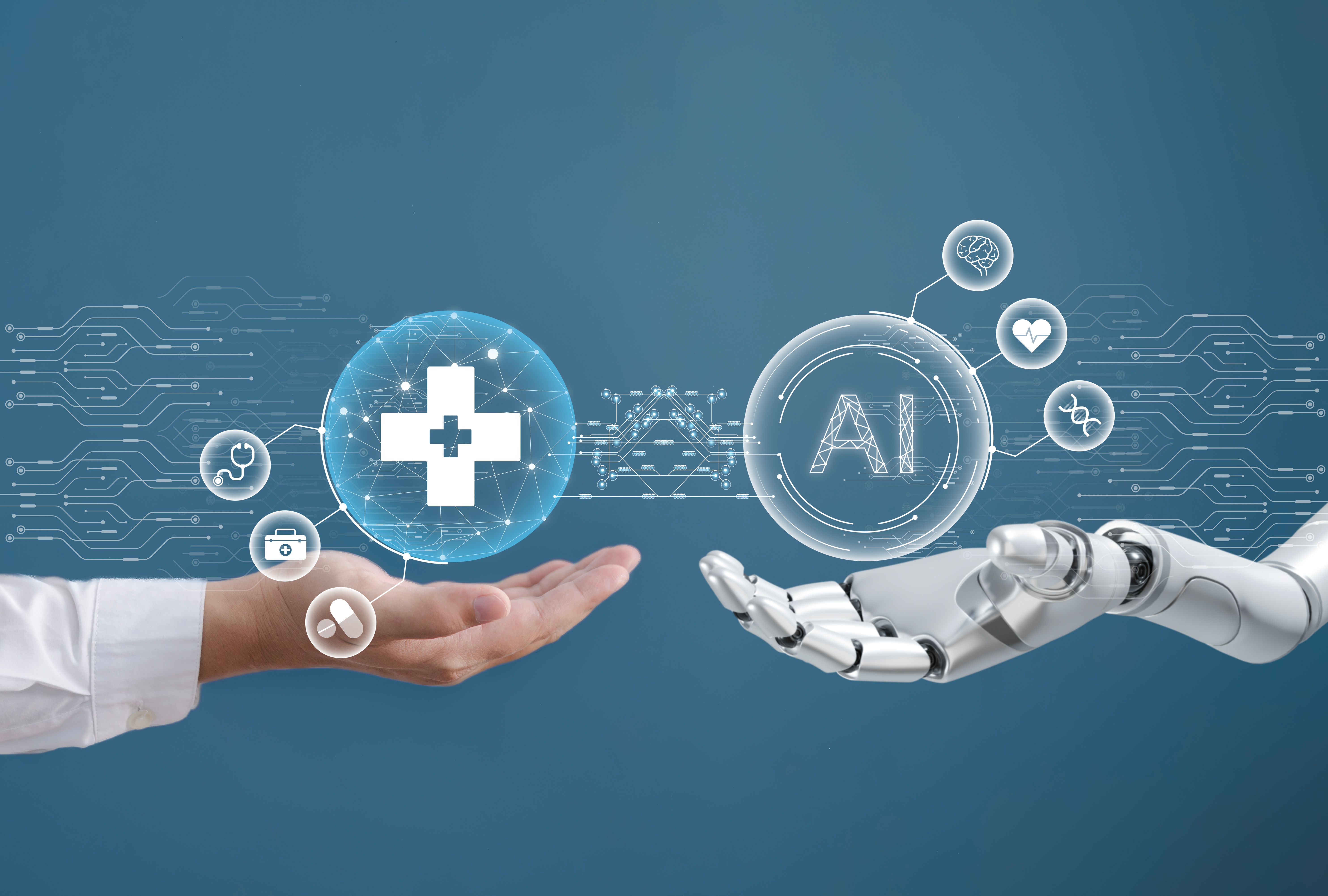
Enhancing Workforce Management
AI-powered tools offer significant advantages in workforce management by providing predictive analytics to forecast staffing needs. These tools analyze historical data, patient admission rates, and other variables to anticipate staffing requirements, ensuring that healthcare facilities are neither understaffed nor overstaffed.
Furthermore, AI solutions can automate scheduling, taking into account employees’ preferences, availability, and workload. This leads to improved job satisfaction among healthcare professionals and reduced burnout, as staff are more likely to work schedules that suit their needs.

Improving Staff Training and Development
AI-driven platforms also play a crucial role in the ongoing training and development of medical staff. By analyzing performance data, these platforms can identify skill gaps and recommend personalized training programs. This approach ensures that medical personnel are continuously developing their skills and staying up-to-date with the latest medical practices.
Moreover, AI can simulate real-world scenarios, providing healthcare professionals with immersive training experiences. These simulations allow staff to practice and refine their skills in a safe environment before applying them in real-life situations.

Ensuring Quality and Compliance
AI solutions help maintain high standards of care by ensuring compliance with regulations and protocols. Automated systems can monitor and audit compliance in real-time, flagging any deviations for immediate attention. This ensures that healthcare facilities adhere to industry standards while minimizing the risk of human error.
Additionally, AI can assist in credentialing and licensing processes by verifying the qualifications and certifications of medical staff. This reduces administrative burdens and ensures that only qualified professionals are employed in healthcare settings.
The Future of AI in Medical Staffing
As AI technology continues to evolve, its impact on medical staffing is likely to expand. Future advancements may include even more sophisticated predictive analytics, enhanced automation, and the integration of AI with other digital health tools for a seamless healthcare experience.
Ultimately, AI-driven healthcare solutions promise to transform medical staffing by creating more efficient, responsive, and adaptable healthcare environments. This not only benefits healthcare providers but also improves patient outcomes and satisfaction.