
How AI is Revolutionizing Medical Staffing: A Deep Dive


In recent years, the integration of Artificial Intelligence (AI) into various sectors has been nothing short of transformative. One area where AI is making significant strides is in medical staffing. As healthcare organizations strive to meet the demands of a growing patient population, AI is stepping in to streamline operations, improve accuracy, and enhance patient care.
Understanding the Challenges in Medical Staffing
Medical staffing has long been fraught with challenges. From ensuring adequate staffing levels to managing complex schedules, healthcare providers often find themselves overwhelmed. Traditional methods of staffing can lead to inefficiencies, increased costs, and even burnout among healthcare professionals. This is where AI comes in, providing innovative solutions to age-old problems.
AI-driven platforms can analyze vast amounts of data to predict staffing needs accurately. By considering variables such as patient admissions, historical data, and seasonal trends, AI can help healthcare facilities optimize their workforce. This not only ensures that patient care is never compromised but also aids in reducing operational costs.

The Role of AI in Recruitment
Recruiting the right talent is a critical aspect of medical staffing. AI is revolutionizing this process by automating resume screening, improving candidate matching, and even conducting preliminary interviews. By leveraging machine learning algorithms, AI can assess a candidate’s qualifications, experience, and cultural fit with remarkable precision.
This automation allows human resource teams to focus on more strategic tasks, such as engaging with potential hires and building a strong employer brand. Furthermore, AI-driven recruitment tools can help eliminate biases in hiring, promoting a more diverse and inclusive workforce.
Enhancing Workforce Management
Effective workforce management is essential for any healthcare facility. AI tools are now being used to create dynamic schedules that accommodate both staffing needs and employee preferences. These tools can adjust to real-time changes, such as unexpected absences or surges in patient volume, ensuring that staffing levels remain optimal.

Improving Employee Retention
Employee retention is another area where AI is making a significant impact. By analyzing patterns in employee behavior and feedback, AI can predict which staff members might be at risk of leaving. This allows management to proactively address concerns, offer support, and implement retention strategies.
Moreover, AI can facilitate ongoing training and development, providing personalized learning paths that help employees grow in their careers and stay engaged with their work.
AI in Task Automation
Beyond staffing, AI is also automating various routine tasks within healthcare settings. From scheduling appointments to managing inventory, AI is reducing administrative burdens, allowing healthcare professionals to focus more on patient care. This shift not only boosts efficiency but also enhances the overall patient experience.
The Future of AI in Medical Staffing
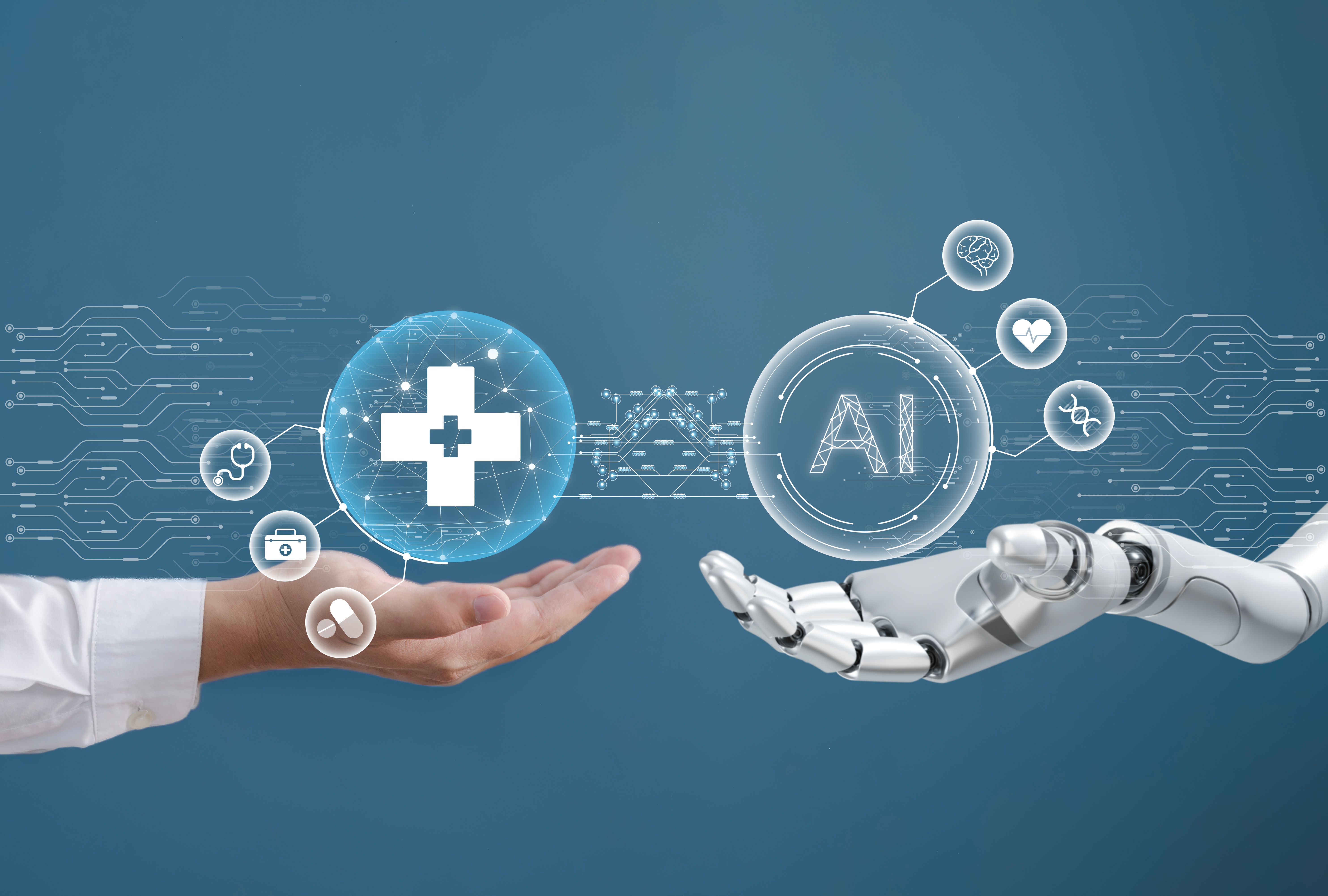
As AI technology continues to evolve, its role in medical staffing is expected to expand even further. Future developments may include more advanced predictive analytics, augmented decision-making capabilities, and seamless integration with other healthcare technologies.
Ultimately, the goal is to create a more efficient, responsive, and patient-centered healthcare system. By embracing AI, medical staffing can become not just an operational necessity but a strategic advantage.