
How AI-Powered Medical Staffing Services Save Costs and Improve Patient Care


In today's rapidly evolving healthcare landscape, the integration of AI-powered medical staffing services is transforming how hospitals and clinics operate. These innovative solutions not only help in optimizing operational efficiency but also significantly reduce costs and enhance patient care. This post explores how AI is reshaping the staffing sector within healthcare.
AI-Driven Efficiency in Staffing
AI-powered staffing services leverage advanced algorithms to match healthcare professionals with patient needs more accurately. By analyzing various data points, such as skills, experience, and availability, these systems can ensure the right personnel are assigned to the right tasks at the right time. This reduces the administrative burden on human resources and minimizes the risk of understaffing or overstaffing.
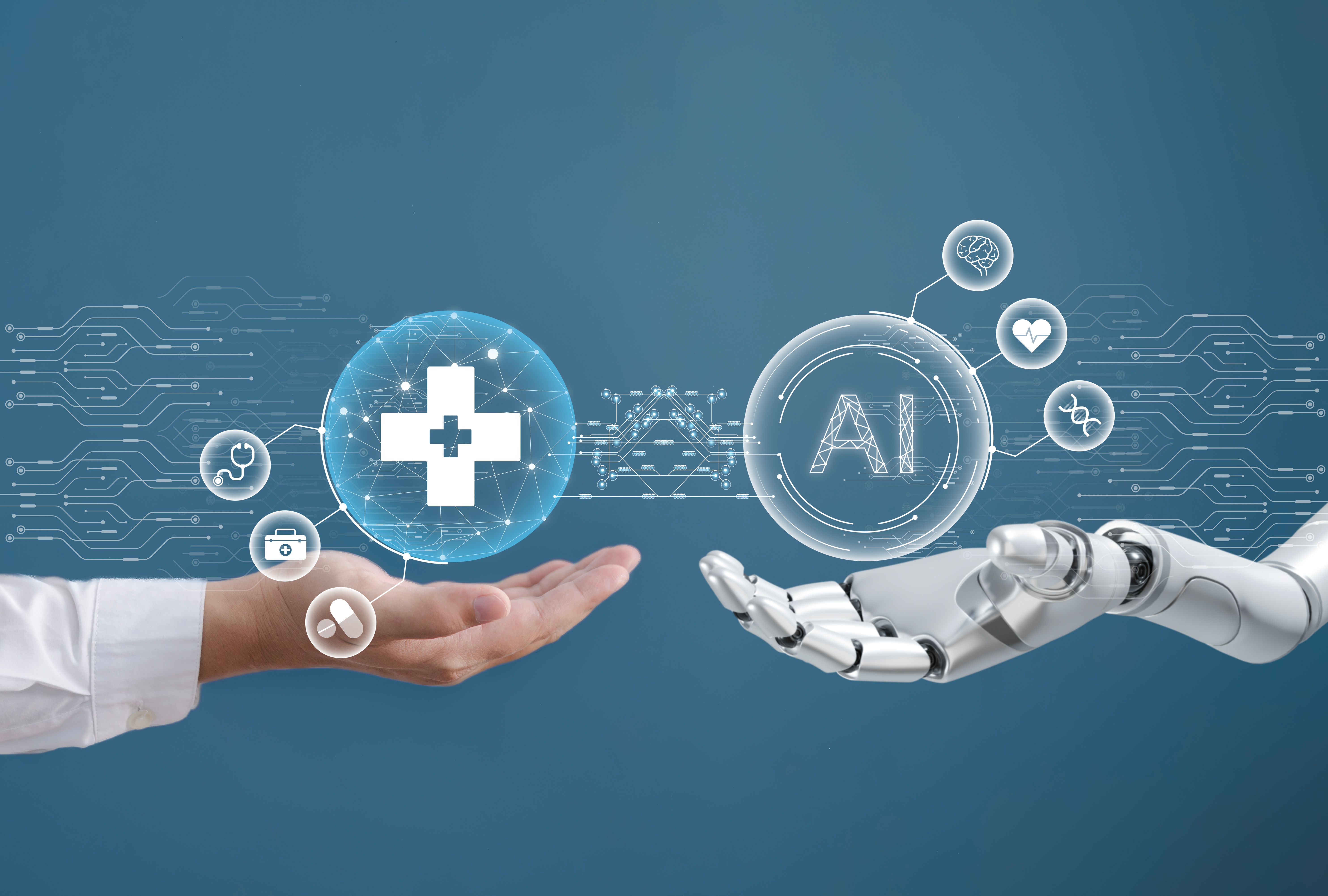
The predictive capabilities of AI also allow healthcare facilities to anticipate staffing needs based on historical data and trends. This means that during peak seasons or unexpected surges in patient numbers, hospitals can proactively adjust their staffing levels, ensuring that patient care is never compromised due to a lack of resources.
Cost Reduction Through Optimized Staffing
One of the most significant benefits of AI-powered staffing solutions is cost reduction. By optimizing staff allocation, healthcare providers can minimize overtime expenses and reduce the need for temporary staffing, which can be costly. Additionally, improved scheduling efficiency leads to better resource utilization, resulting in substantial savings.

Moreover, AI systems can identify patterns and suggest improvements in staffing strategies, leading to long-term cost efficiency. By analyzing data on staff performance and patient outcomes, healthcare facilities can make informed decisions that not only save money but also improve service quality.
Enhancing Patient Care with AI
AI-powered staffing services also play a crucial role in enhancing patient care. By ensuring that the right staff members are available when needed, these systems help maintain high standards of care. Patients receive timely attention and appropriate treatment, reducing wait times and improving overall satisfaction.
Furthermore, AI can assist in monitoring patient outcomes and staff performance, providing valuable insights that lead to continuous improvement. By identifying areas where care can be enhanced, healthcare providers can implement targeted interventions that directly benefit patients.

Challenges and Considerations
While the benefits of AI in medical staffing are clear, there are challenges to consider. Data privacy and security are paramount, as sensitive information is used to inform staffing decisions. Healthcare providers must ensure that their AI systems comply with regulations and maintain robust security measures.
Additionally, there is a need for ongoing training and support to help staff adapt to new technologies. By fostering an environment of continuous learning, healthcare facilities can maximize the potential of AI-powered solutions and ensure that their teams are equipped to leverage these tools effectively.
The Future of AI in Healthcare Staffing
The future of AI in medical staffing looks promising. As technology continues to advance, we can expect even more sophisticated solutions that further streamline operations and enhance patient care. The integration of AI with other emerging technologies, such as telemedicine and remote monitoring, will open new avenues for innovation in healthcare staffing.
By embracing AI-powered staffing services, healthcare providers can not only save costs but also deliver higher quality care, ultimately leading to better patient outcomes and a more efficient healthcare system.