
Myth-Busting: Common Misconceptions About AI in Healthcare Staffing


Understanding AI in Healthcare Staffing
Artificial intelligence is transforming industries worldwide, and healthcare staffing is no exception. However, despite its growing presence, various myths and misconceptions persist. This article aims to clarify some of the most common misunderstandings about AI in healthcare staffing.

Myth 1: AI Will Replace Human Jobs
One of the most prevalent fears is that AI will replace human jobs. In reality, AI is designed to augment human capabilities, not replace them. By handling repetitive and time-consuming tasks, AI allows healthcare professionals to focus on more critical aspects of patient care and decision-making.
Healthcare staffing agencies benefit from AI by improving efficiency and accuracy in matching candidates with job opportunities. This technological advancement enables staff to dedicate more time to building relationships and providing personalized service.
Myth 2: AI Lacks Human Touch
Another common misconception is that AI lacks the "human touch" essential in healthcare. While AI can handle data analysis and routine tasks, it is the healthcare professionals who deliver empathy and care. AI serves as a tool to enhance these human interactions by providing valuable insights and support.
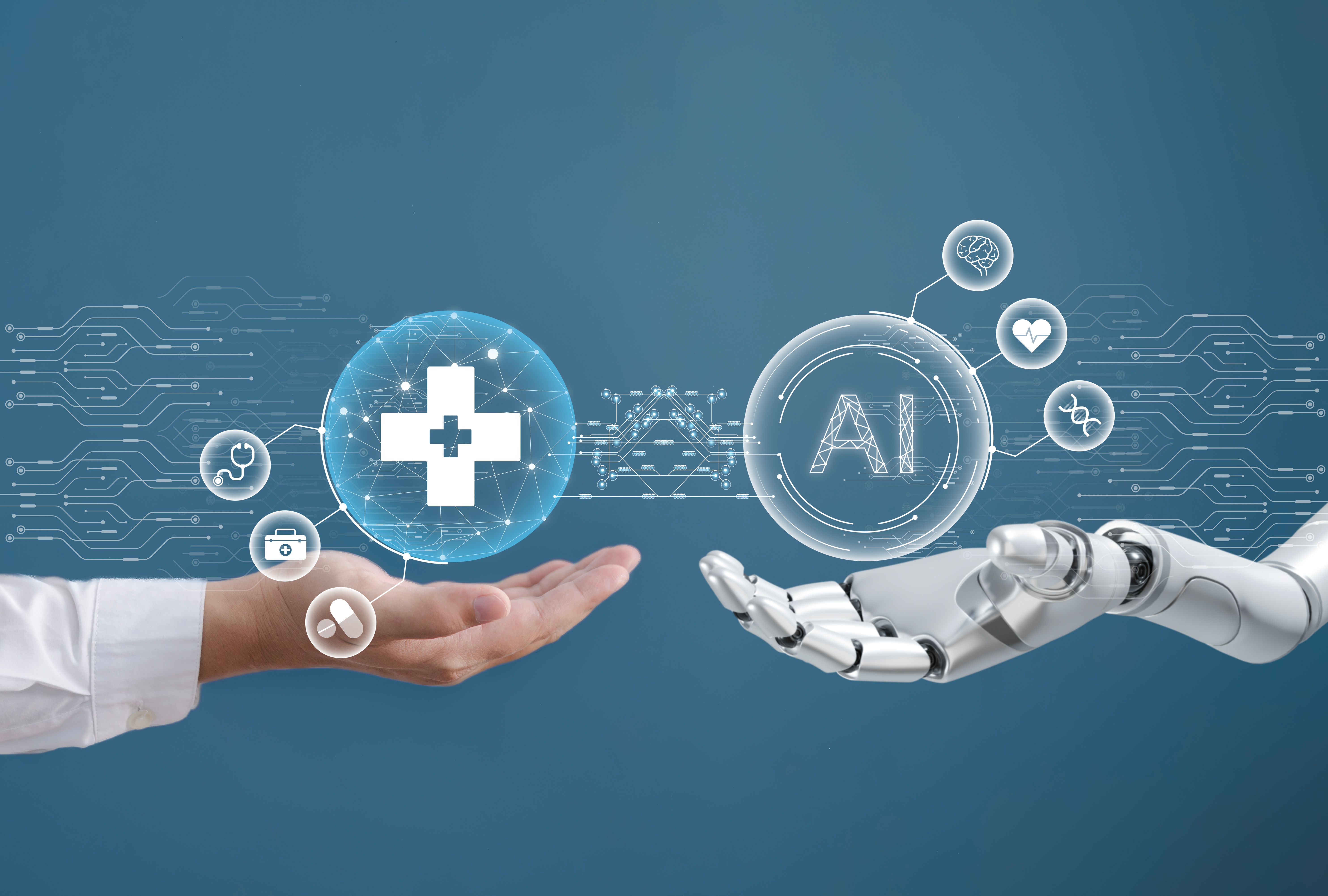
For instance, AI can streamline administrative processes, reducing the burden on healthcare staff and allowing them to spend more time with patients. It also aids in predicting staffing needs, ensuring that facilities are adequately staffed without compromising on the quality of care.
Myth 3: AI Is Too Complex to Implement
Many believe that implementing AI in healthcare staffing is overly complex and costly. However, modern AI solutions are designed to be user-friendly and scalable. Many platforms offer intuitive interfaces that require minimal training, allowing healthcare organizations to integrate AI seamlessly into their existing systems.
Moreover, the cost of implementing AI can be offset by the efficiencies gained. By automating routine tasks, healthcare facilities can reduce operational expenses and improve overall productivity.
Myth 4: AI Compromises Data Privacy
Data privacy is a significant concern in healthcare, and some worry that AI might compromise sensitive information. However, AI systems are built with robust security measures to protect data privacy. Healthcare organizations must comply with strict regulations, ensuring that all AI applications adhere to high standards of data protection.
By implementing encryption and other security protocols, AI can help safeguard patient information while enhancing the accuracy and efficiency of healthcare staffing processes.
The Future of AI in Healthcare Staffing
AI is not just a trend; it is a transformative force in healthcare staffing. By dispelling myths and understanding the benefits, healthcare organizations can embrace AI to improve patient care and operational efficiency. As technology continues to evolve, so will the opportunities to integrate AI more effectively into healthcare staffing strategies.