Myth-Busting: The Real Cost of Traditional vs. AI-Driven Medical Staffing


Understanding Traditional Medical Staffing Costs
When it comes to staffing in the medical field, traditional methods have long been the go-to choice. These methods typically involve hiring full-time staff, managing schedules, and handling payroll manually. However, the costs associated with these traditional approaches can be surprisingly high. From recruitment fees to training and employee benefits, the expenses add up quickly. Understanding these costs is crucial for healthcare facilities looking to optimize their budgets.
One of the significant costs in traditional staffing comes from recruitment. Advertising for open positions, interviewing candidates, and onboarding new employees require time and resources. Additionally, employee turnover can further escalate these costs, as the cycle of hiring and training continues.

The Rise of AI-Driven Staffing Solutions
With advancements in technology, AI-driven staffing solutions have emerged as a viable alternative. These solutions streamline the hiring process, making it more efficient and cost-effective. By utilizing algorithms and data analytics, AI can match candidates with positions faster and with greater accuracy than traditional methods.
AI-driven systems can also forecast staffing needs based on historical data and trends, allowing healthcare facilities to plan better and avoid overstaffing or understaffing. This predictive capability can significantly reduce costs associated with overtime pay and temporary staffing.

Comparing Costs: Traditional vs. AI-Driven Staffing
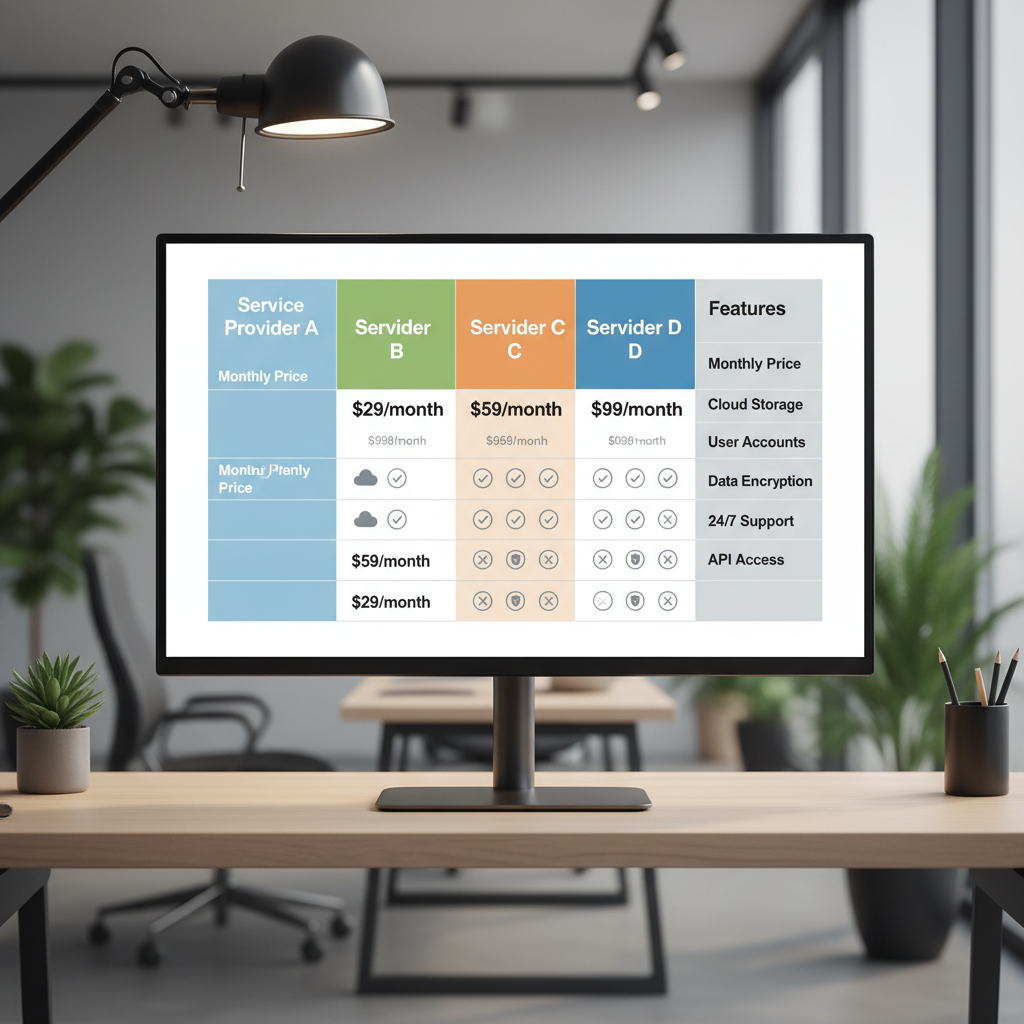
To truly understand the cost implications, it's essential to compare traditional and AI-driven staffing side by side. Traditional staffing often involves hidden costs such as administrative overheads and inefficiencies in scheduling. In contrast, AI-driven solutions offer transparent pricing models and can automate many administrative tasks, freeing up resources for other priorities.
Moreover, AI-driven staffing can reduce the time required to fill positions, minimizing the impact of vacancies on patient care. This efficiency can lead to substantial savings in the long run, as facilities can maintain optimal staffing levels without incurring excessive costs.
Addressing Common Myths
Despite the benefits, several myths surrounding AI-driven staffing persist. One common misconception is that AI solutions are too expensive for smaller healthcare facilities. However, many AI providers offer scalable solutions that cater to facilities of all sizes, making it an accessible option for everyone.
Another myth is that AI will replace human jobs. In reality, AI is designed to assist healthcare professionals, not replace them. By handling repetitive tasks, AI allows staff to focus on patient care, enhancing the overall quality of service.
Making the Transition
For healthcare facilities considering a shift to AI-driven staffing, the transition process is often smoother than anticipated. Many AI solutions are designed to integrate seamlessly with existing systems, minimizing disruption. Training and support are usually included, ensuring staff can quickly adapt to the new technology.
Ultimately, the decision to adopt AI-driven staffing should be based on a careful analysis of costs and benefits. By understanding the real cost implications and dispelling common myths, healthcare facilities can make informed decisions that align with their operational goals.