
The Future of AI in Medical Hiring Processes: What to Expect


The Evolving Role of AI in Medical Hiring
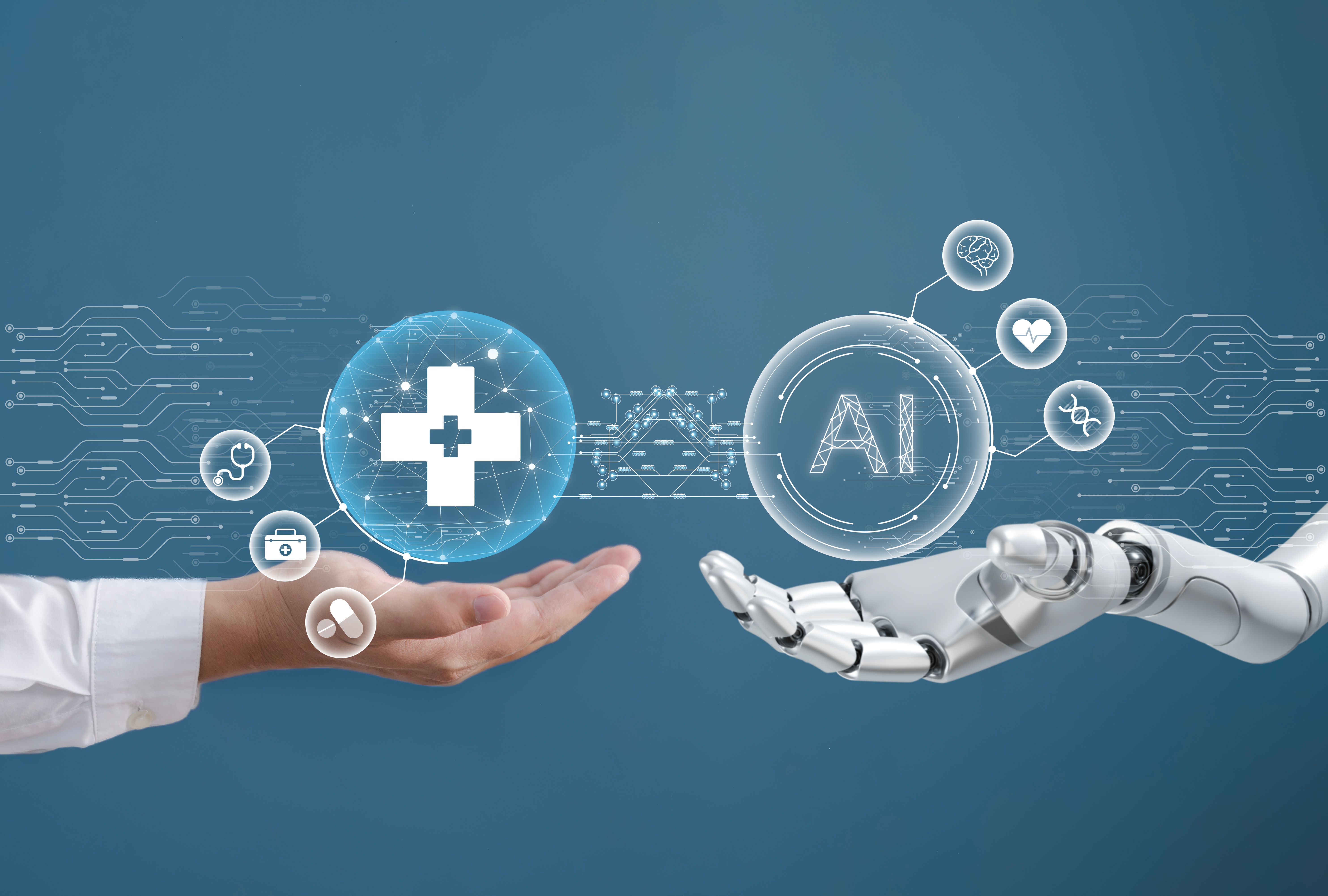
Artificial Intelligence (AI) is steadily transforming numerous industries, and healthcare is no exception. One area where AI is making significant strides is in the medical hiring process. As healthcare demands grow, the integration of AI can streamline recruitment, ensuring that the right professionals are selected efficiently and effectively.
AI's ability to analyze large volumes of data allows for a more comprehensive evaluation of candidates. This means that hiring managers can focus on the most qualified individuals, saving time and resources. But what does the future hold for AI in medical hiring?
Enhancing Recruitment Efficiency
AI tools can automate many aspects of the hiring process, from resume screening to initial interviews. By using AI, hospitals and clinics can quickly filter out unqualified candidates, allowing human resources to concentrate on top-tier applicants. This efficiency is crucial in a field where time is often of the essence.
Moreover, AI can help identify patterns and trends in successful hires, refining the hiring criteria and improving future recruitment strategies. The use of predictive analytics enables organizations to make informed decisions, reducing turnover rates and increasing employee satisfaction.

Ensuring Diversity and Inclusion
AI has the potential to minimize biases in hiring, promoting a more diverse and inclusive workforce. By standardizing the evaluation process, AI can help eliminate unconscious biases that often influence human decision-making. This ensures that candidates are judged based on their qualifications and skills rather than personal characteristics.
Furthermore, AI can help organizations track diversity metrics and ensure compliance with equal opportunity regulations. This is essential in building a workforce that reflects the diverse patient population served by healthcare providers.

The Challenges of AI Implementation
While AI offers numerous benefits, its implementation in medical hiring is not without challenges. One major concern is the potential for algorithmic bias. Ensuring that AI systems are trained on diverse datasets is critical to avoid perpetuating existing disparities. Transparency in AI decision-making processes is also essential to maintain trust among stakeholders.
Additionally, integrating AI into existing hiring practices requires significant investment and training. Organizations must be prepared to adopt new technologies and provide staff with the necessary skills to operate and interpret AI tools effectively.
The Road Ahead
The future of AI in medical hiring is promising, with the potential to revolutionize how healthcare organizations identify and recruit talent. As technology advances, AI will likely become an integral part of the recruitment process, providing more accurate and efficient outcomes.
Healthcare providers that embrace AI early on will be better positioned to meet the demands of a rapidly changing industry. By leveraging AI, these organizations can ensure they attract the best talent, ultimately enhancing patient care and outcomes.
In conclusion, the integration of AI in medical hiring processes is set to transform the landscape of healthcare recruitment. While challenges exist, the benefits of increased efficiency, diversity, and informed decision-making make AI a valuable tool for the future. As we move forward, the collaboration between human expertise and AI technology will be pivotal in shaping a more effective and equitable hiring process.