
The Future of Medical Staffing: Trends and Innovations to Watch


The Evolving Landscape of Medical Staffing
The medical staffing industry is undergoing a significant transformation, driven by technological advancements, changing workforce dynamics, and evolving patient needs. As healthcare systems worldwide grapple with shortages, the future of medical staffing hinges on adaptability and innovation. This post explores the key trends and innovations shaping the future of medical staffing.

Telemedicine and Remote Work
One of the most significant changes in medical staffing has been the rise of telemedicine. The COVID-19 pandemic accelerated the adoption of remote healthcare services, allowing medical professionals to consult, diagnose, and treat patients from afar. This shift not only expands access to care but also opens up new staffing opportunities that transcend geographical limitations.
Remote work has become a viable option for many healthcare roles, including administrative and support staff. As technology continues to improve, the potential for remote healthcare roles is likely to expand, offering greater flexibility for medical professionals.
Artificial Intelligence and Automation
Artificial Intelligence (AI) is set to revolutionize medical staffing by automating routine tasks and enhancing decision-making processes. AI can assist in scheduling, patient management, and even preliminary diagnostics, freeing up healthcare professionals to focus on more complex duties that require human expertise.
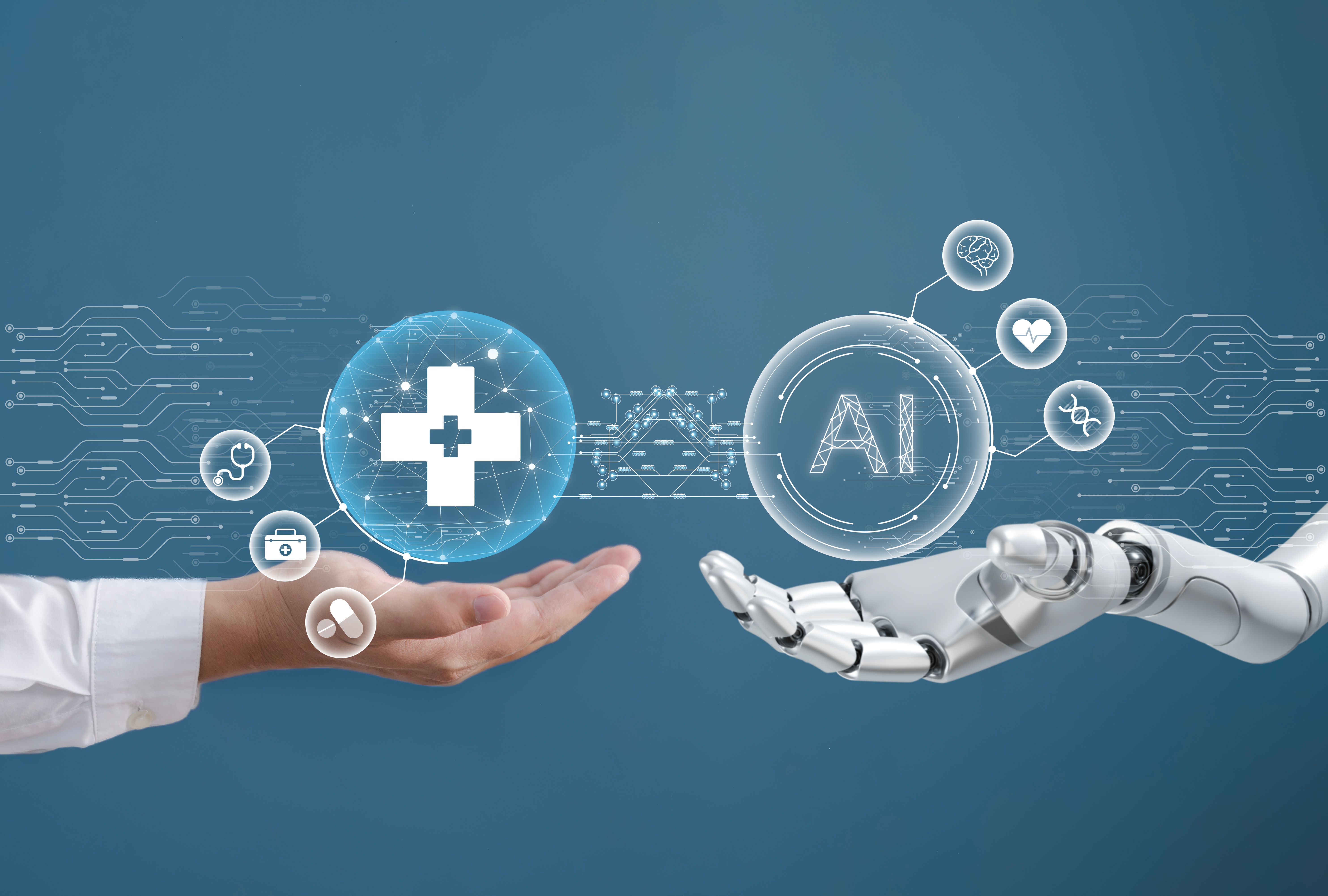
Automation also plays a crucial role in streamlining administrative processes, reducing the burden on medical staff, and improving efficiency across healthcare facilities. By embracing AI and automation, medical staffing can become more efficient and adaptive.
Emphasis on Soft Skills and Emotional Intelligence
While technical skills remain essential, there is a growing emphasis on soft skills and emotional intelligence in medical staffing. The ability to communicate effectively, empathize with patients, and work collaboratively in a team is increasingly valued. This shift reflects a more patient-centered approach to healthcare delivery.
Training programs are now incorporating modules on emotional intelligence, aiming to equip healthcare professionals with the skills needed to navigate complex interpersonal interactions.

Flexible Staffing Models
To address fluctuating patient demands and workforce shortages, healthcare facilities are adopting more flexible staffing models. These models include per diem staffing, locum tenens positions, and part-time roles, allowing healthcare providers to adjust their workforce in response to immediate needs.
Flexible staffing models not only benefit healthcare facilities but also offer medical professionals the opportunity to tailor their work schedules to their personal needs, promoting a better work-life balance.
Focus on Diversity and Inclusion
Diversity and inclusion are becoming integral components of medical staffing strategies. A diverse workforce can lead to improved patient outcomes, as it brings a wider range of perspectives and cultural competencies to healthcare delivery. Efforts to recruit and retain a diverse workforce are being prioritized across the industry.
By fostering an inclusive environment, healthcare organizations can enhance innovation, improve employee satisfaction, and better serve diverse patient populations.

Conclusion
The future of medical staffing is being shaped by a combination of technological advancements, evolving workforce dynamics, and a greater emphasis on diversity and emotional intelligence. As the industry continues to innovate, these trends will play a crucial role in addressing current challenges and improving the delivery of healthcare services. By staying informed and adaptable, healthcare organizations can navigate this evolving landscape effectively.