
Unlocking Cost Savings: The Future of AI in Medical Hiring


The Transformative Role of AI in Medical Hiring
In recent years, the healthcare industry has witnessed a remarkable shift with the integration of artificial intelligence (AI) in various operations. One area where AI is making a significant impact is in medical hiring. By leveraging AI technologies, healthcare organizations can streamline recruitment processes, leading to substantial cost savings and improved efficiency.
Streamlining Recruitment Processes
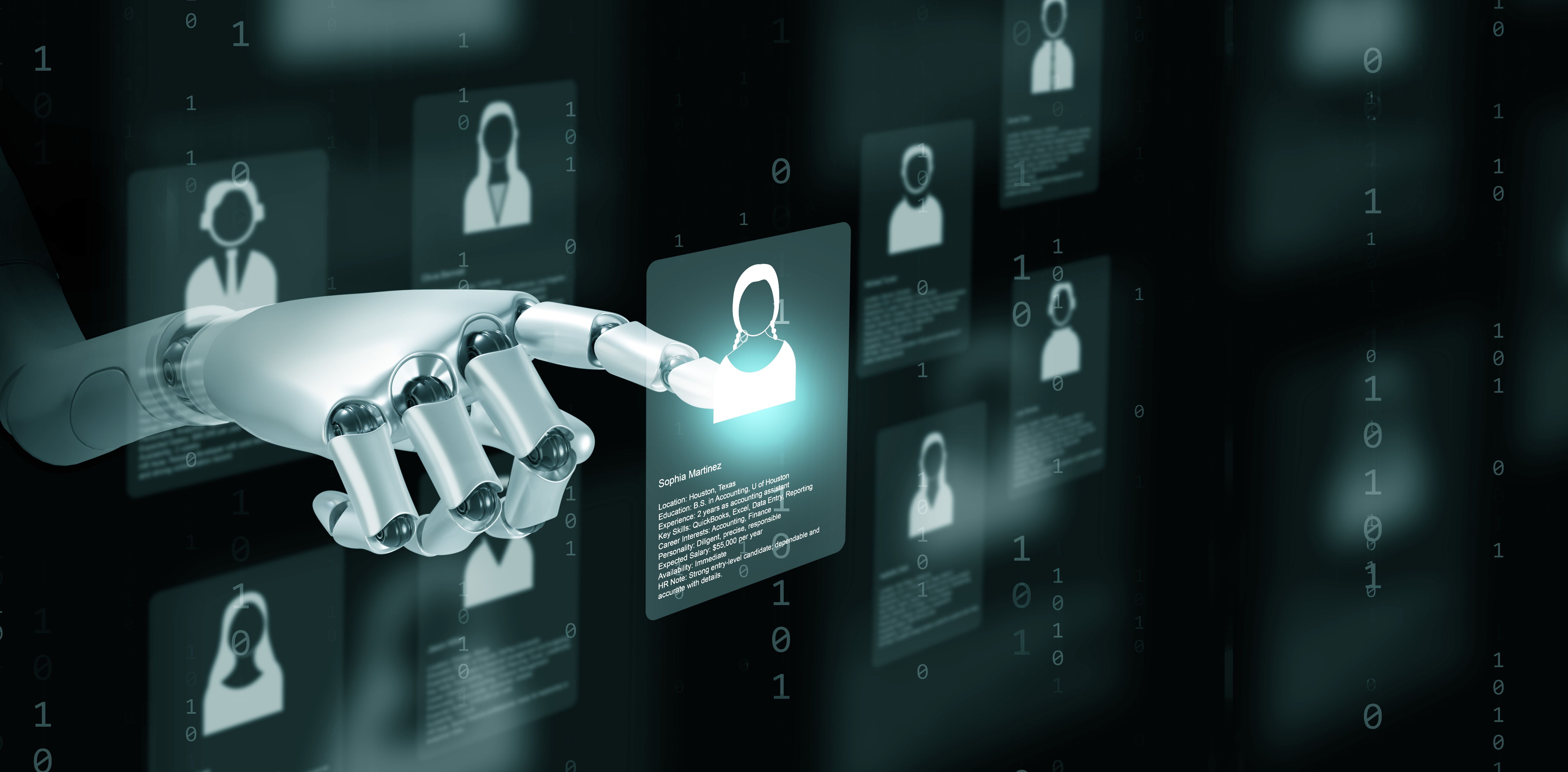
AI tools are revolutionizing how healthcare organizations approach recruitment. Traditional hiring processes often involve extensive manual work, from sifting through resumes to conducting initial screenings. AI can automate these tasks, reducing the time and effort required by human resources teams. This not only accelerates the hiring process but also reduces associated costs.
Moreover, AI can analyze vast amounts of data to identify the best candidates based on specific criteria. By using machine learning algorithms, AI systems can match candidates’ skills and experiences with job requirements more accurately than traditional methods.
Enhancing Candidate Experience
Another significant advantage of AI in medical hiring is the enhancement of the candidate experience. AI-powered chatbots can provide real-time responses to candidate inquiries, ensuring a smooth application process. This immediate interaction helps keep candidates engaged and informed, reducing the chances of losing top talent.
Additionally, AI can personalize the recruitment journey for each candidate. By analyzing data, AI can tailor communication and job recommendations to suit individual preferences and qualifications, creating a more engaging and satisfying experience.
Reducing Bias in Hiring
Bias in hiring is a persistent challenge in many industries, including healthcare. AI can play a crucial role in mitigating this issue by standardizing the evaluation process. By focusing solely on qualifications and experience, AI systems can help eliminate unconscious biases that may influence hiring decisions.
However, it's essential to ensure that the AI algorithms themselves are free from bias. Continuous monitoring and updating of these systems are necessary to maintain fairness and transparency in the recruitment process.

Cost Savings and Future Implications
The integration of AI in medical hiring not only saves time but also significantly reduces costs. By automating repetitive tasks and improving the quality of hires, healthcare organizations can lower the expenses associated with recruitment. Furthermore, the efficiency gained through AI allows HR teams to focus on more strategic initiatives, further enhancing organizational performance.
Looking ahead, the role of AI in medical hiring is expected to expand. As technology continues to evolve, AI will likely become more sophisticated, offering even greater potential for cost savings and efficiency improvements. Healthcare organizations that embrace these changes will be better positioned to attract top talent and maintain a competitive edge.
In conclusion, the future of AI in medical hiring is bright, promising transformative benefits for healthcare organizations. By unlocking cost savings and enhancing efficiency, AI stands to redefine how the industry approaches recruitment, paving the way for a more agile and effective workforce.